

Why Does My Skin Still Look Dull After a Facial? Kirkland Skincare Answers
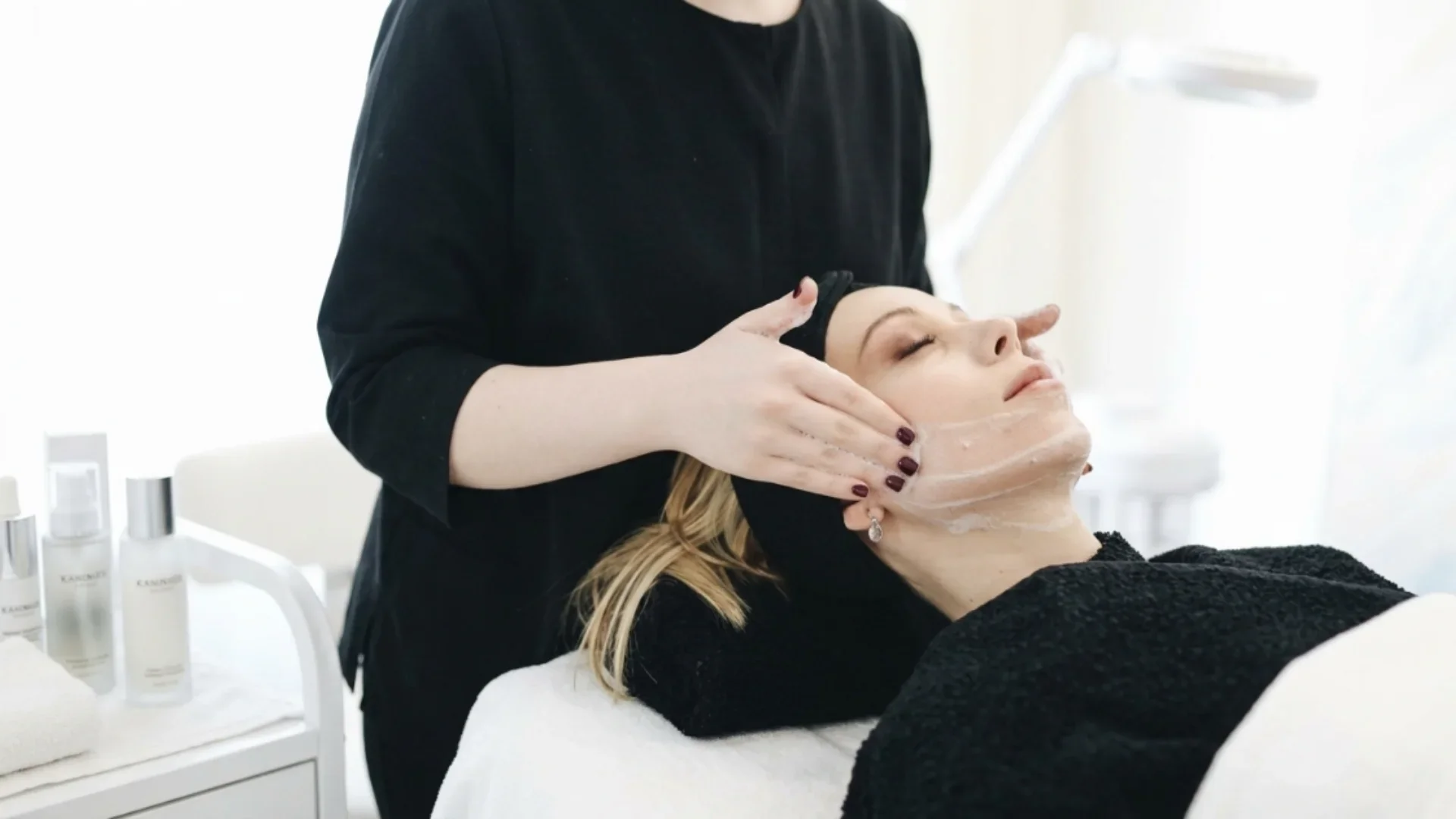
You gave th e facial an hour, followed every instruction, and expected the mirror to show fresher, brighter skin. Instead, your complexion looks unchanged, slightly flat, or even more uneven than it did before the appointment.
That does not mean your skin “failed” the treatment. Dullness usually comes down to a mismatch between the treatment, your skin’s condition, the products used, and what happened afterward. Sometimes the result also needs a brief recovery period to appear.
At EB Glow, we prefer to explain that before treatment begins. A facial should have a clear purpose, realistic expectations, and an aftercare plan that fits the exact exfoliation or device used. Relaxation still belongs in the appointment, but comfort alone cannot answer every concern.
Here is what may be happening when the promised glow never appears.
Skin Renewal Does Not Follow One Perfect Calendar
Your epidermis renews continuously, while the outermost layer gradually sheds cells from its surface. People often describe that process as a fixed 28-day cycle, but real turnover varies with age, skin condition, body area, and other biological factors. Research on aging skin shows that epidermal turnover, repair, hydration, and barrier function can slow or change over time.
That matters because dullness is not one single problem. A rough surface can scatter light unevenly. Dehydration can make fine lines and texture more noticeable. Pigment left after inflammation can flatten the overall tone, while irritation may create redness beside dry patches.
A useful facial begins by identifying which issue is present. Removing more surface cells will not solve every cause, and aggressive exfoliation can make barrier-related dullness worse.
So remember, Brighter skin comes from choosing the right intervention for the reason your complexion looks dull, not from using the strongest exfoliant available.
The Facial May Have Been Built Mainly for Relaxation
A relaxing facial can leave skin clean, soft, and comfortable without producing a major change in tone or texture. That is not necessarily a poor service; it may simply have delivered a different outcome from the one you expected.
Some treatments focus on gentle cleansing, massage, a soothing mask, and moisturization. A concern-led appointment spends more time assessing texture, sensitivity, congestion, pigmentation, current products, and previous reactions before choosing exfoliation or treatment technology.

Here’s the deal, those approaches do not need to be enemies. Our service model combines a comfortable studio experience with customized treatments, including Hydrafacial, dermaplaning, chemical peels, microcurrent, and LED options. The deciding factor is whether each step supports the client’s actual goal rather than following the same sequence for every face.
Before booking, ask what the facial should improve and what change is reasonable after one appointment. That answer prevents a provider from delivering hydration while the client expected resurfacing.
The Exfoliation May Have Been Too Light or Too Aggressive
Exfoliation can improve a rough, uneven surface by loosening and removing some of the outermost buildup. Alpha hydroxy acids such as glycolic or lactic acid, beta hydroxy acids such as salicylic acid, and mechanical methods all behave differently. Concentration, contact time, application pressure, and the condition of the skin change the result.
A mild enzyme or brief polish may not create the smoothing you wanted. The opposite mistake causes more trouble: layering a peel over recent retinoid use, scrubbing sensitive skin, or combining several exfoliating methods can leave the barrier irritated.
The American Academy of Dermatology advises matching exfoliation to skin type and current products because retinoids, retinol, and benzoyl peroxide can increase sensitivity. Washington law also defines the esthetics scope to include exfoliants and superficial or light peels, while state rules require appropriate licensing and training.
A professional should therefore ask what you used during the previous week, how your skin usually reacts, and whether you have an upcoming event. The strongest treatment you can tolerate is rarely the smartest starting point.
Temporary Dryness Can Hide the Early Result
Some exfoliating treatments make the skin feel tighter, drier, or slightly textured before it settles. The exact response depends on treatment depth and individual tolerance. Chemical-peel aftercare commonly centers on moisturization, gentle cleansing, and sun protection while the skin heals.
If the surface loses water or becomes irritated, it may reflect light unevenly and appear dull despite successful removal of some buildup. That is why adding another acid the same evening can backfire. Your skin may need fewer steps rather than another attempt to force brightness.
Mild tightness after certain treatments can be expected, but burning, marked swelling, blistering, hives, severe pain, or worsening inflammation should not be dismissed as “the facial working.” Contact the provider promptly, and seek medical care when a reaction is significant or persistent.
An esthetician can provide cosmetic skin services within the licensed scope. A board-certified dermatologist should evaluate possible skin disease, infection, severe acne, or a reaction that needs medical diagnosis or treatment.
The Finishing Products May Not Have Suited Your Skin
Rich creams and facial oils can feel luxurious at the end of an appointment. They are not automatically wrong, yet they may feel heavy on congestion-prone skin or sit poorly beneath the makeup you apply afterward.
Fragrance can also be a problem for some sensitive clients. The issue is whether its formula fits your skin, the treatment, and the next several hours of wear.
The thing is, labels can create false confidence. Terms such as “cosmeceutical” have no legal meaning under federal law, so we care more about the ingredient list, formulation, intended use, and how your skin responds than impressive language on the box.
Our approach centers on hand-selected products and ongoing routine guidance rather than treating product application as the final five minutes of the service.
Tell your esthetician when a moisturizer tends to pill, an oil causes small bumps, or fragrance makes your face sting. Those details are useful treatment information, not complaints.
Your Home Routine May Have Worked Against the Treatment
The days after a facial matter because recently exfoliated or treated skin may be more sensitive than usual. Exact instructions should match the service, so the aftercare for a hydrating facial may differ from the plan after dermaplaning or a peel.
Common mistakes include restarting retinoids too quickly, adding an exfoliating toner because the skin still looks dull, washing with very hot water, picking at extraction sites, or testing a new product immediately. Skipping sunscreen is another problem. The AAD recommends broad-spectrum SPF 30 or higher when outdoors and notes that ultraviolet exposure continues on cloudy days and during winter.
Your routine shapes what happens between appointments. A monthly facial cannot fully compensate for over-cleansing, inconsistent moisturization, repeated irritation, or outdated product choices.
That does not mean you need a crowded shelf. Many clients do better when the routine becomes easier to follow: a suitable cleanser, moisturizer, sunscreen, and one or two concern-specific products introduced at a sensible pace.
“Purging” May Not Be the Right Explanation
People often call any post-facial breakout purging. That label can delay a more useful conversation about what was applied, how aggressively the skin was treated, and where the bumps appeared.
A few clogged pores may become more visible after treatments that loosen surface buildup or address congestion. However, widespread itching, burning, rash-like bumps, or breakouts in places you do not normally develop them may point more toward irritation or a product mismatch.
Do not keep applying the suspected product to prove that your skin will “adjust.” Photograph the reaction in consistent light, stop unnecessary new products, and contact the provider for treatment-specific guidance.
If the breakout is severe, painful, persistent, or accompanied by swelling, a dermatologist is the right person to assess it. Facials can support cosmetic skin goals, but they should not be used to diagnose or manage a medical condition without appropriate medical care.
One Appointment May Not Match the Size of the Concern
One well-chosen facial can improve surface smoothness, hydration, and brightness, but chronic dullness may involve several overlapping issues. Long-standing sun damage, post-acne marks, recurring congestion, sensitivity, and age-related changes rarely behave like one layer that can be removed in an afternoon.
Progress also depends on what the skin can safely tolerate. Sensitive skin may need barrier support first, while pigment-prone skin often needs a cautious plan because inflammation can worsen discoloration.
An honest consultation should distinguish the immediate goal from the longer plan. The first appointment might focus on calming and hydration. Later sessions can introduce dermaplaning, a peel, Hydrafacial steps, or another service when the skin’s response supports that choice.
Our sensitive-skin and anti-aging services follow an ongoing approach that tracks tolerance and adjusts treatments as the skin changes rather than repeating one fixed protocol.
What We Do Differently at EB Glow
We begin with the skin in front of us, not the facial name on the booking screen. That means discussing your concerns, treatment history, sensitivities, current products, lifestyle, and the result you actually want.
From there, we choose among the services we provide in Kirkland, which may include a custom facial, Hydrafacial, dermaplaning, peel series, microcurrent, LED, or a gentler barrier-focused approach.
We are a private, results-driven studio led by Erica, a Kirkland esthetician whose background includes esthetics training and years in beauty retail and product education.
We also explain the plan while you are with us. You should know why a step is being used, what your skin may look like afterward, which products to pause, and what improvement can reasonably appear after one visit.
That education protects the result. It also helps us learn from your response, because the next appointment should build on real observations rather than starting from zero.
Kirkland Skin Still Needs Daily Sun Protection
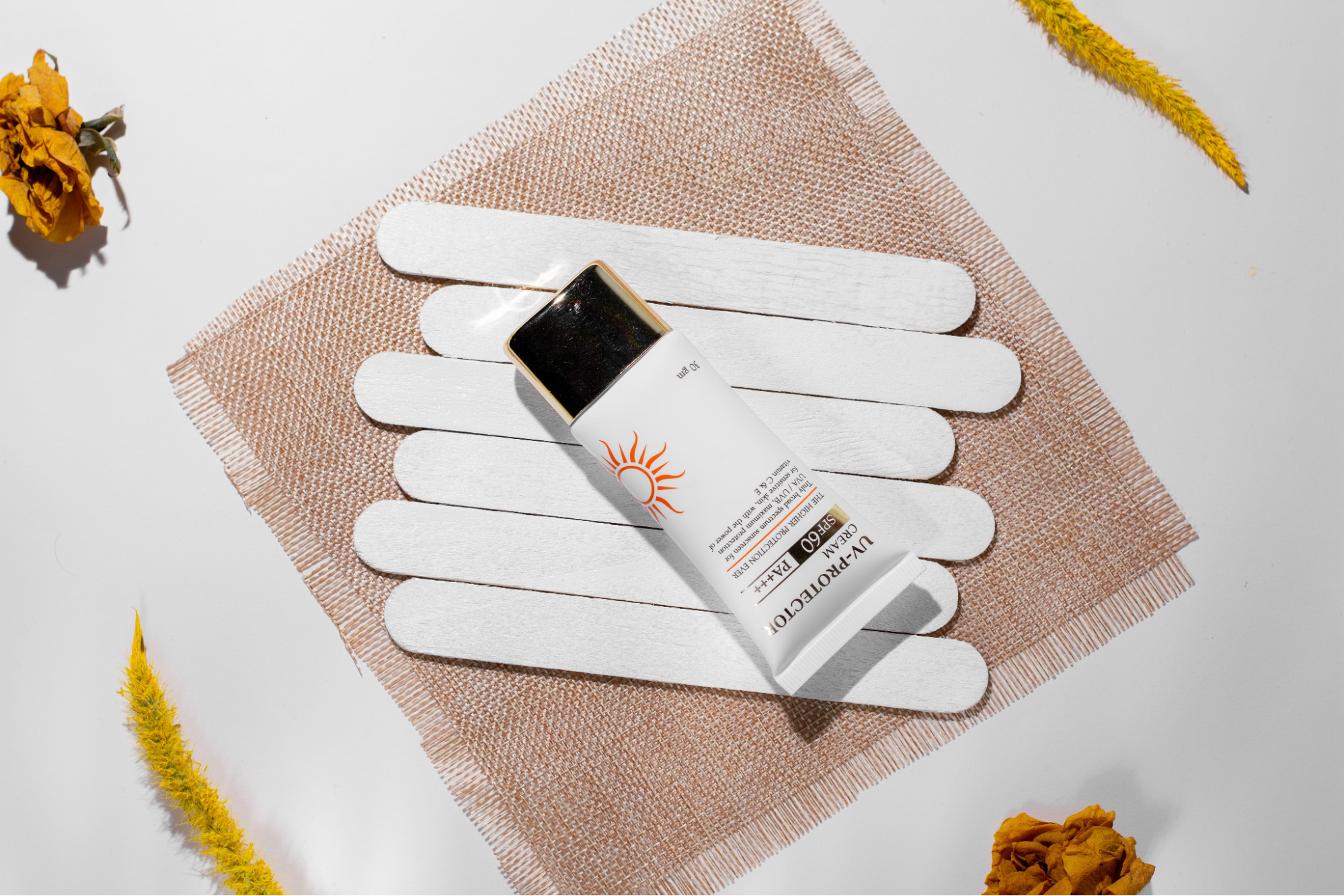
Cloudy Eastside weather can make ultraviolet exposure feel less relevant, but clouds do not remove the need for sun protection. The AAD recommends sunscreen outdoors throughout the year, including overcast and winter days.
Indoor heating can leave some clients drier during colder months, while summer activity and air conditioning change the skin again. We consider those shifts when discussing cleanser texture, moisturizer weight, exfoliation, and sunscreen.
Local care does not mean every Kirkland resident has the same skin. It means we ask how your environment and routine affect your face instead of handing you a seasonal rule that ignores sensitivity, acne, pigmentation, or age.
How Often Should You Book a Facial?
The right schedule depends on the concern, treatment depth, skin tolerance, budget, and home routine. A four-to-six-week rhythm can suit some clients because it allows regular reassessment without stacking treatments too closely, but it should not be treated as a medical law.
Consistency matters more than chasing intensity. A moderate treatment supported by sensible home care usually gives us better information than an aggressive appointment followed by several weeks of irritation.
Frequently Asked Questions
How Soon Should I See Results After a Facial?
Hydrating and surface-smoothing treatments may produce a visible change the same day, while redness or dryness can temporarily obscure the result after exfoliation. Your provider should explain the expected timeline for the exact service before beginning.
Is It Normal for Skin to Look Worse First?
Mild redness, tightness, or flaking may occur after some treatments, particularly peels. Significant burning, swelling, blistering, or worsening inflammation needs prompt attention rather than reassurance that every reaction is normal.
Which Products Should I Avoid Afterward?
Follow the instructions for your service. Retinoids, acids, abrasive scrubs, benzoyl peroxide, and fragranced products may need a temporary pause when the skin has been exfoliated or feels sensitive.
What Makes an EB Glow Facial Different?
We combine a personalized skin assessment, service selection based on current tolerance, professional treatment options, and practical home-care education. Our goal is to help you understand the result, not simply admire it for one evening.
When Should I See a Dermatologist Instead?
See a dermatologist for persistent rashes, painful or severe acne, suspected infection, changing lesions, unexplained pigment changes, or reactions that require medical assessment. Esthetic care and dermatology can complement one another, but they do different jobs.
Conclusion
Dull skin after a facial does not automatically mean you wasted your money or have unusually difficult skin. The treatment may have targeted relaxation instead of resurfacing, used the wrong exfoliation level, finished with unsuitable products, or lacked aftercare that protected the result.
We would rather identify that mismatch than promise that a stronger facial fixes everything. At EB Glow, we assess your skin, explain the treatment choice, and help you build a routine that supports what happens in the studio.