

HydraFacial vs. Chemical Peel, Which One Is Actually Right for Your Skin?
HydraFacials are best for hydration, maintenance, and sensitive or reactive skin. Chemical peels are better for texture, pigmentation, acne scarring, and dullness that hydration alone will not fix. If you have never had either, a HydraFacial is the lower-risk starting point. If your main concern is uneven skin tone or stubborn texture, a chemical peel will give you more visible results.
But most people are not dealing with a simple skin situation. They have two or three concerns layered on top of each other and are trying to figure out which treatment to start with. So here is how to think about it based on what you actually see in the mirror.
Start Here, What Is Your Main Skin Concern?
Here, I provide a simple solution to your every skin problem…

"My skin looks dull and feels dehydrated"
This is the HydraFacial's sweet spot. Dull, dehydrated skin is missing moisture and needs a treatment that floods it back in, not one that strips or resurfaces the surface further.
The HydraFacial does exactly that. It clears congestion and dead skin buildup, then saturates the skin with hydrating serums in one session. You walk out looking brighter, and your skin feels different almost immediately.
A chemical peel on dehydrated skin is usually a bad idea. Peels accelerate exfoliation, and if your barrier is already compromised from dryness, adding more exfoliation can trigger redness, sensitivity, and a longer recovery. Fix the hydration first, then consider a peel once your skin is in a stronger place.
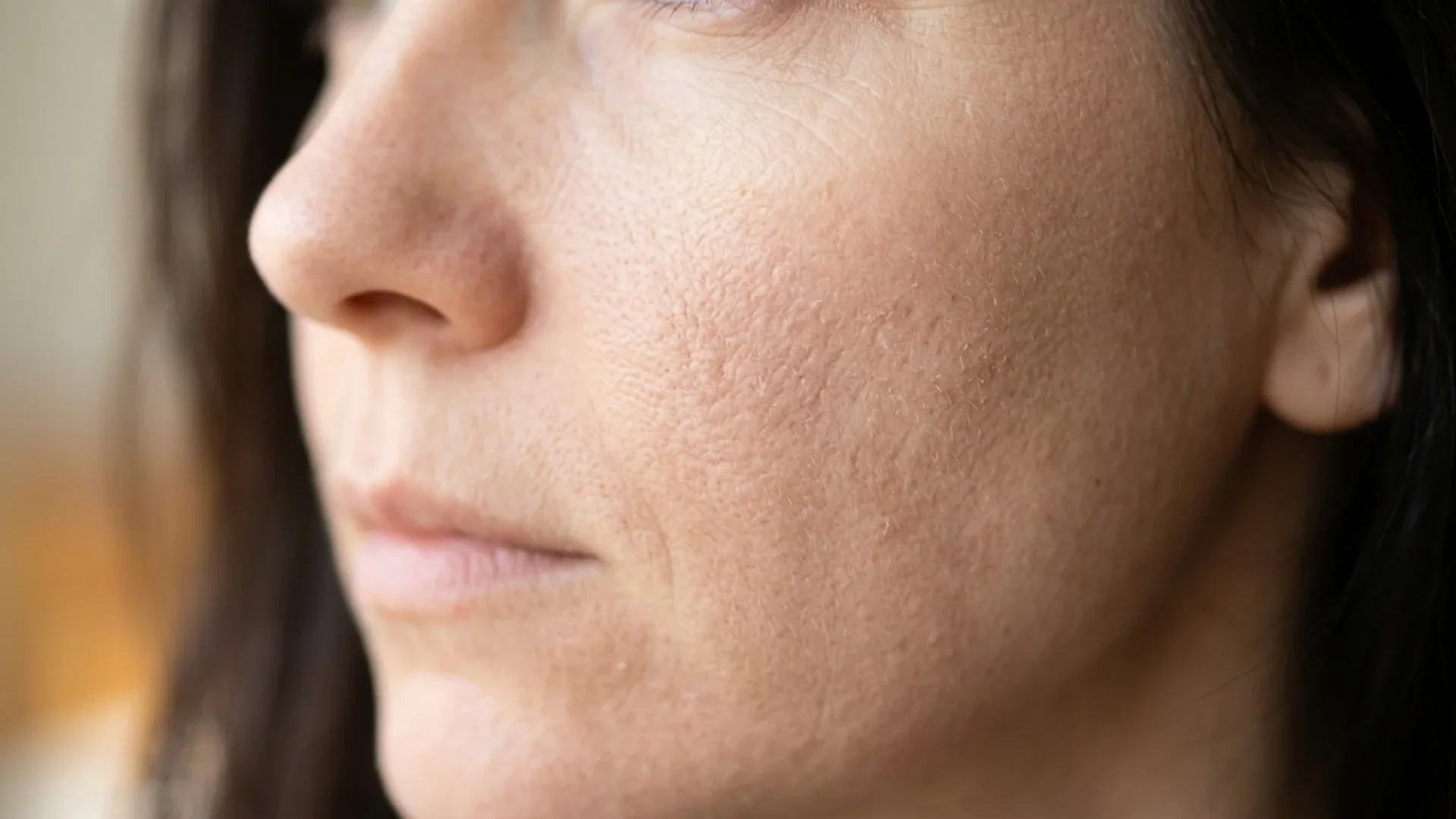
"I have texture, old acne scars, or uneven skin tone"
Here a chemical peel is the stronger move. Texture and pigmentation sit deeper than a HydraFacial can reach. Peels use acid to break down the bonds holding dead skin cells together further down, which triggers faster cell turnover and, over a series of treatments, visibly smoother and more even skin.
The BioRePeel is worth mentioning here too. It is a newer generation chemical peel that combines exfoliation with biostimulation, meaning it resurfaces the skin while also stimulating collagen production below the surface. For texture and early signs of aging together, it works differently than a traditional peel and often with less downtime.
A HydraFacial will not hurt if you have texture concern, it is a good maintenance treatment but it will not correct the underlying issue the way a peel series can.
"I break out consistently and my pores are always congested"
This depends on whether your breakouts are active or residual.
If you are dealing with active, inflamed acne, neither a HydraFacial nor a chemical peel is your first step. An acne facial is. Acne facials are specifically designed to treat active breakouts like targeting the bacteria, oil, and inflammation causing them rather than just extracting what is visible on the surface.
Once the active acne is under control, a salicylic acid peel can help prevent future congestion and address post-acne marks. And once your skin is clear and stable, a HydraFacial is a good ongoing maintenance treatment to keep pores clean between appointments.
"My skin is sensitive, red, or I have rosacea"
Stick with the HydraFacial, or better yet, a facial specifically designed for reactive skin. Chemical peels on sensitive or rosacea-prone skin carry real risk of triggering a flare, worsening redness, or damaging the skin barrier if the wrong acid or concentration is used.
The sensitive skin facial at EB Glow is built around exactly this profile, calming the skin, strengthening the barrier, and reducing redness without the risk that comes with more aggressive treatments.
What the Actual Treatment Experience Is Like
HydraFacial
EB Glow starts at 60 minutes, no 30-minute option, and the time is what allows the assessment and the booster customization. Your esthetician cleanses the skin, runs a gentle exfoliation tip across the surface, performs the vortex extraction step (which looks alarming in videos but feels like a gentle vacuum), then applies the serum step.
No downtime. No redness. You can go straight to work or an event. Results are immediate and continue improving over the next 24 to 48 hours as the serums absorb fully. Most people come monthly for maintenance.
Chemical peel
The experience varies depending on the peel depth. A light lactic acid peel feels like mild tingling and leaves you a bit pink for a few hours. A medium-depth salicylic or TCA peel may involve more noticeable tingling during, then 3 to 5 days of visible peeling, skin flaking off in small patches as it turns over.
The peeling is not dramatic in most cases. But it is real, and you need to plan for it. No picking, no active skincare products with retinol or acids during recovery, and strict sun protection throughout. The results on the other side of the recovery are typically more significant than what a HydraFacial produces like smoother texture, more even tone, clearer surface.
Can You Do Both? And How Often?
Yes, and this is actually how a lot of ongoing skincare plans work at EB Glow. A chemical peel handles correction: texture, pigmentation, cell turnover. A HydraFacial handles maintenance: keeping pores clear, keeping hydration up between more active treatments.
A common pattern is a peel series (every 4 to 6 weeks for 3 to 4 sessions), then monthly HydraFacials to maintain the results. Your esthetician will adjust the plan based on how your skin responds, which is why seeing the same provider consistently matters more than any individual treatment choice.
What a membership makes possible
Consistent treatment is where results actually compound. One peel or one HydraFacial feels good. A plan like repeated treatments with someone who is tracking your skin over time, is where you actually change what your skin looks like.

The Kirkland skincare membership at EB Glow is built around that idea. Monthly appointments at a reduced rate, with an esthetician who adjusts your treatment as your skin changes. It is worth looking at if you are thinking about this as ongoing care rather than a one-time treatment.
Choose What Is Best For Your Skin Problem
So, if your skin is dehydrated, sensitive, or you want no downtime, start with a HydraFacial. If you are dealing with texture, pigmentation, or scarring, a chemical peel will do more. And if you are not sure, the best answer is a skin assessment.
Erica at EB Glow does a full skin consultation before every first appointment. That conversation will tell you more than anything you can read online. Book a skin consultation or facial at EB Glow.